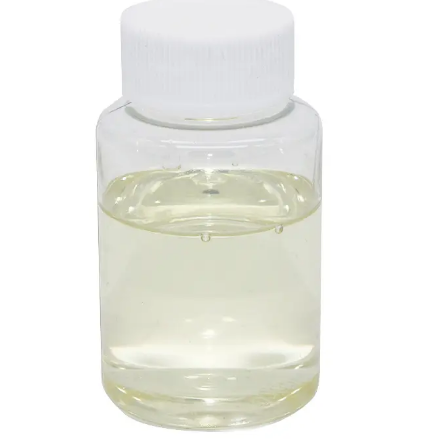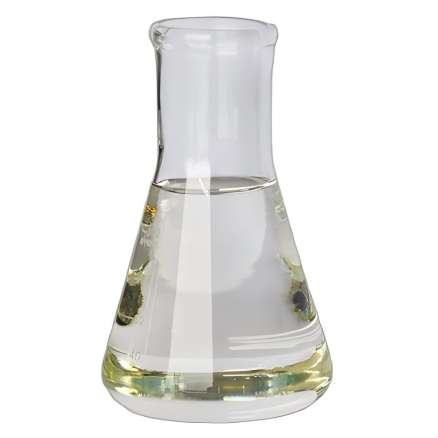
Diethyltoluamide, commonly known as DEET, is a chemical widely used as an active ingredient in insect repellents.
Diethyltoluamide
Diethyltoluamide, commonly known as DEET, is a chemical widely used as an active ingredient in insect repellents.
Diethyltoluamide, commonly known as DEET, is a chemical widely used as an active ingredient in insect repellents. It is effective at repelling biting insects like mosquitoes, ticks, and fleas, which can carry diseases such as malaria, dengue fever, and Lyme disease. DEET was developed by the U.S. Army in 1946 and became available for civilian use in the 1950s.
Concentration: DEET is available in various concentrations, typically ranging from 5% to 100%. Higher concentrations offer longer-lasting protection but do not necessarily improve the efficacy in repelling insects.
Safety: When used as directed, DEET is generally considered safe for humans. However, it is recommended to avoid prolonged exposure, especially in high concentrations, and to use it with caution on young children.
Effectiveness: DEET interferes with the olfactory receptors of insects, making it difficult for them to detect humans and other animals as potential targets for biting.
Formulations: DEET is available in different forms, including sprays, lotions, creams, and wipes, and can be combined with sunscreens or other skincare products.
Precautions: While effective, DEET can sometimes cause skin irritation, and it may damage certain synthetic materials like plastics or fabrics, so it should be applied carefully.
Our professional sales team are waiting for your consultation.